
VA PTSD, Sleep Apnea & PACT Act Claims
VA Disability Claims for PTSD, Sleep Apnea, and PACT Act Conditions in Beaverton, OR
PTSD is one of the most common claims veterans file, and the VA has become very proficient at handling it. That works against a veteran whose file has a gap: the agency knows exactly which piece is missing and denies on it. Alsup Law, based in Beaverton, Oregon, helps veterans with PTSD, sleep apnea, and toxic exposure claims close those gaps, whether before filing or after a denial.
Call 800-589-9849
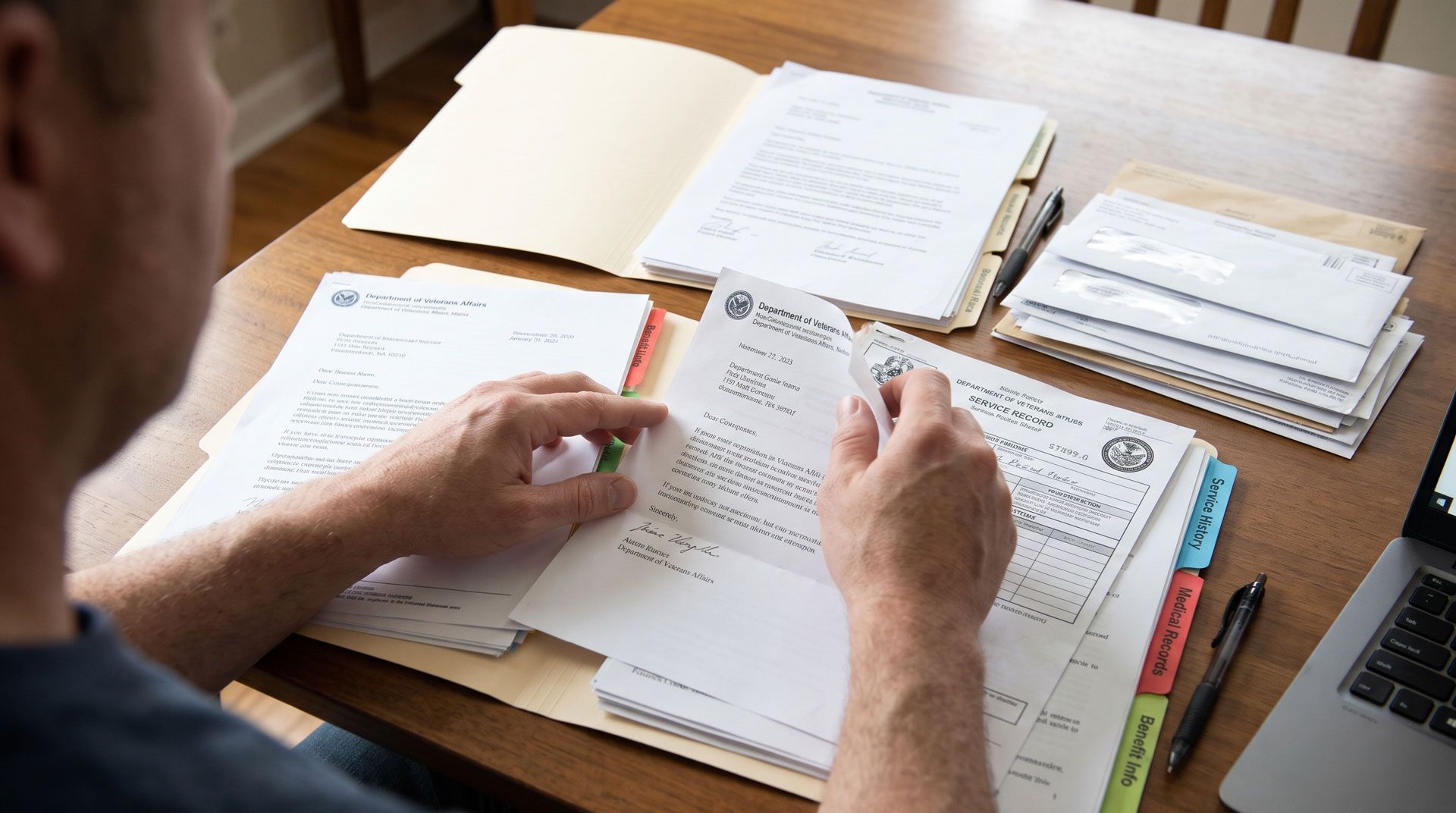
What a PTSD Claim Has to Show
Service connection for PTSD rests on three pieces of evidence:
- A medical diagnosis made in line with 38 C.F.R. § 4.125(a)
- Medical evidence linking your current symptoms to an in-service stressor
- Credible evidence that the stressor actually happened
The third piece is where many claims stall. A stressor is an event that put you under excessive stress, and not every hard day in uniform qualifies. Some of the most common stressors are being in a firefight, an IED event, seeing someone in your unit wounded or killed, and sexual or physical assault.
Your service medical records may say nothing about the event, especially in assault cases. The proof often lives in other records:
- Personnel files and unit records of combat events
- Military or base police reports and clergy records
- Statements from people who served with you
- Statements from the people you wrote to or called about the event near the time it happened
If you served in a combat zone, the stressor you describe may be presumed to have happened. Outside a combat zone, the evidence has to show it. In either case, a bare statement that an event occurred is not enough.
When the Diagnosis Turns Out Different
You do not need to name the right condition when you file. If you claim PTSD and the medical evidence shows depression or another mental disorder instead, the VA must treat your claim as a claim for that disorder.
Sleep Apnea Claims
Sleep apnea claims follow the same three-part test as any service connection claim. You need a current diagnosis, something during active duty that caused or aggravated the condition, and a medical opinion that the two are connected. The opinion has to put that connection at least as likely as not.
Most of the work is in the middle element. Service treatment records showing complaints during service help, and so do statements from people who served alongside you. When a claim was denied because the in-service link was never established, a targeted medical opinion is often what the file was missing.
PACT Act and Toxic Exposure Claims
Toxic exposure claims usually turn on a presumption. If you served in a location covered by a presumption and you have a listed disease, service connection is presumed, and you do not have to prove the exposure caused your illness.
Agent Orange is the longest-running example. The presumption applies to veterans whose service involved duty or visitation in the Republic of Vietnam between January 9, 1962, and May 7, 1975. The Department of Defense and the VA have also acknowledged herbicide use at certain U.S. Air Force bases in Thailand, along the DMZ in Korea, and at certain locations in the Panama Canal Zone. The listed diseases include:
- Type 2 diabetes
- Ischemic heart disease and coronary artery disease
- Parkinson's disease
- Prostate cancer
- Respiratory cancers
- Specific varieties of soft tissue sarcoma
The PACT Act extended the VA's toxic exposure presumptions to more veterans and more conditions. If a claim was denied under the older rules, it may deserve a second look.
Building the Record With You
Tracy Alsup is a service-connected veteran and has been through the VA compensation process herself. Jim Alsup drafted several hundred Board of Veterans Appeals decisions, so he has seen how condition claims are weighed once they reach review.
If you have not filed yet, our page on filing a veterans disability claim walks through the start of the process. If you already have a denial, see our page on appealing a denied VA claim for your review options. There is nothing to pay up front, and we get paid only when you win.
Help for Veterans in Oregon and Across the Country
We work with veterans from Beaverton, Portland, Lake Oswego, and Durham, and with veterans in every other state. We Serve Veterans Nationwide. You can learn more about Alsup Law and our two attorneys on our home page.
PTSD, Sleep Apnea, and Toxic Exposure Questions
What records can prove an in-service stressor?
Personnel records, unit records of combat events, military or base police reports, clergy records, and statements from people who served with you. Letters or calls you made about the event near the time it happened also count, through statements from the people who received them.
Do I need to know my exact mental health diagnosis before filing?
No. If you claim PTSD and the medical evidence shows depression or another mental disorder, the VA must treat your claim as a claim for that disorder.
Does serving in a combat zone make my PTSD claim easier?
It can. In a combat zone, the stressor you describe may be presumed to have happened. Outside one, evidence has to show the event occurred.
Which diseases are presumed from Agent Orange exposure?
The list at 38 C.F.R. 3.309(e) includes Type 2 diabetes, ischemic heart disease, coronary artery disease, Parkinson's disease, prostate cancer, respiratory cancers, and specific soft tissue sarcomas.
What does a sleep apnea claim need to succeed?
A current diagnosis, evidence of an in-service event or complaint, and a medical opinion that the condition is at least as likely as not connected to service.